Tomb Busters Pouch Guide: use it without losing the run
The Tomb Busters pouch is most useful when it protects a valuable pickup and keeps the squad's carry plan simple. This guide explains when to fill it, who should carry it, and when to stop searching and extract.
This is an unofficial fan guide. Item behavior, names, and balance can change after updates, so confirm the current client and official notes before relying on an old community tip.
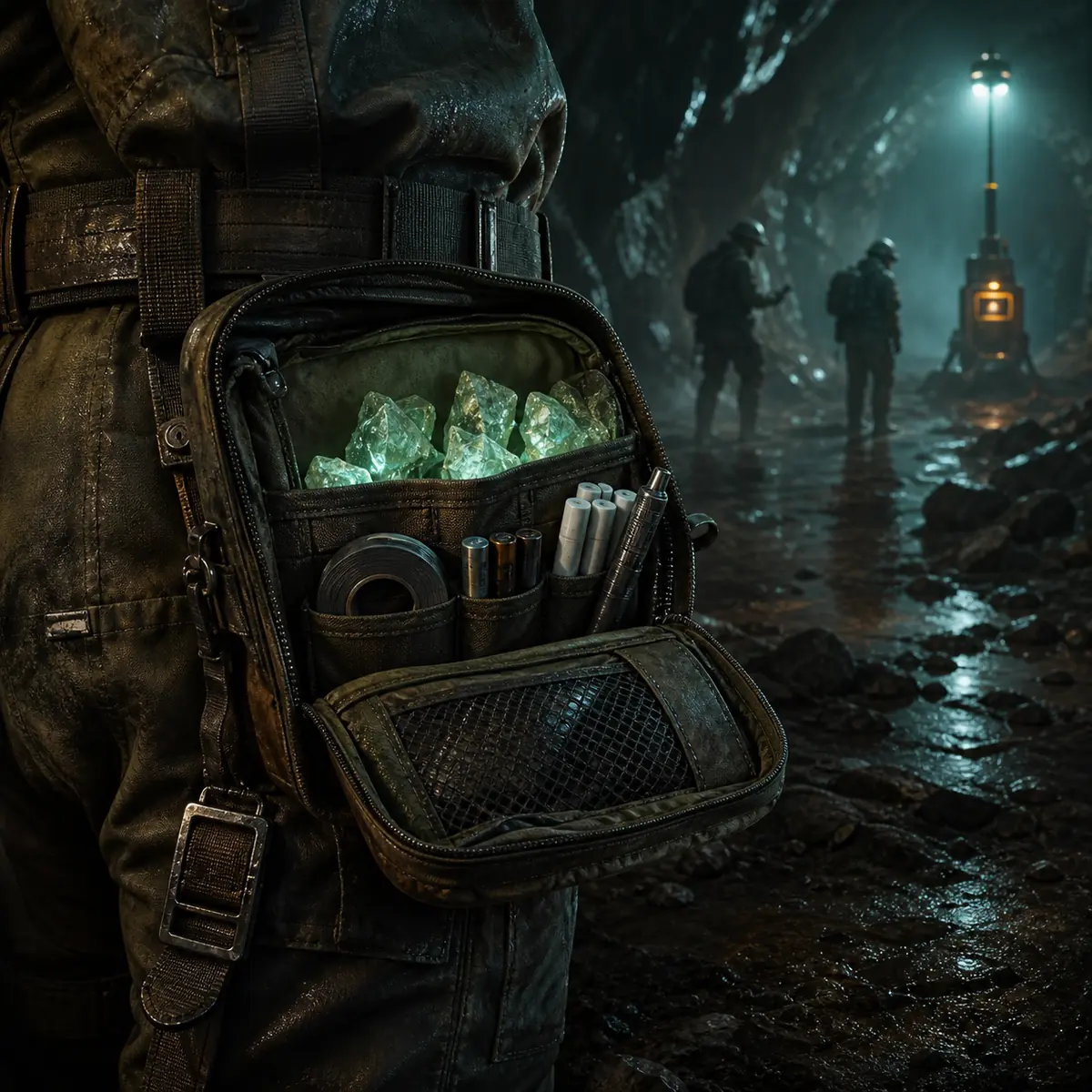
Quick answer: fill the pouch for a short, readable return route
The best Tomb Busters pouch use is not maximum capacity. It is a small, deliberate pickup that the carrier can bring back while the squad still knows the exit, the nearest landmark, and the next danger signal.
Treat the pouch as a protected carry decision, not as permission to keep looting. Before picking up an item, ask three questions: can the carrier still move with the team, can someone cover the return, and is the extraction route still easier to explain than the loot is to replace? If any answer is no, leave the item or turn around.
A pouch works best when the team separates its jobs. One player watches the route, one player carries the valuable object, and another keeps enough light, recovery, or mobility to repair a bad turn. The carrier should not be the person who is already scouting the deepest room.
The game loop rewards returning with useful finds, but a full pouch is only valuable after extraction. A low-risk item delivered to the base is better than a rare-looking object lost because the team stayed for one more room. Use the pouch to shorten the decision, not to extend the danger.
Community discussions often describe pouch behavior differently from official update notes. Some observations mention reduced carry pressure or protection from ordinary loss, while official materials focus on the broader collect-and-return loop. Keep those claims separate and check the current client before treating a community explanation as a rule.
For beginners, the reliable pattern is simple: pick one item, announce the return path, keep the pouch carrier inside the light and callout range, and extract before the route becomes a rescue mission. Once that loop is stable, add capacity or a second pickup only when the squad can still name the exit without reopening the map.
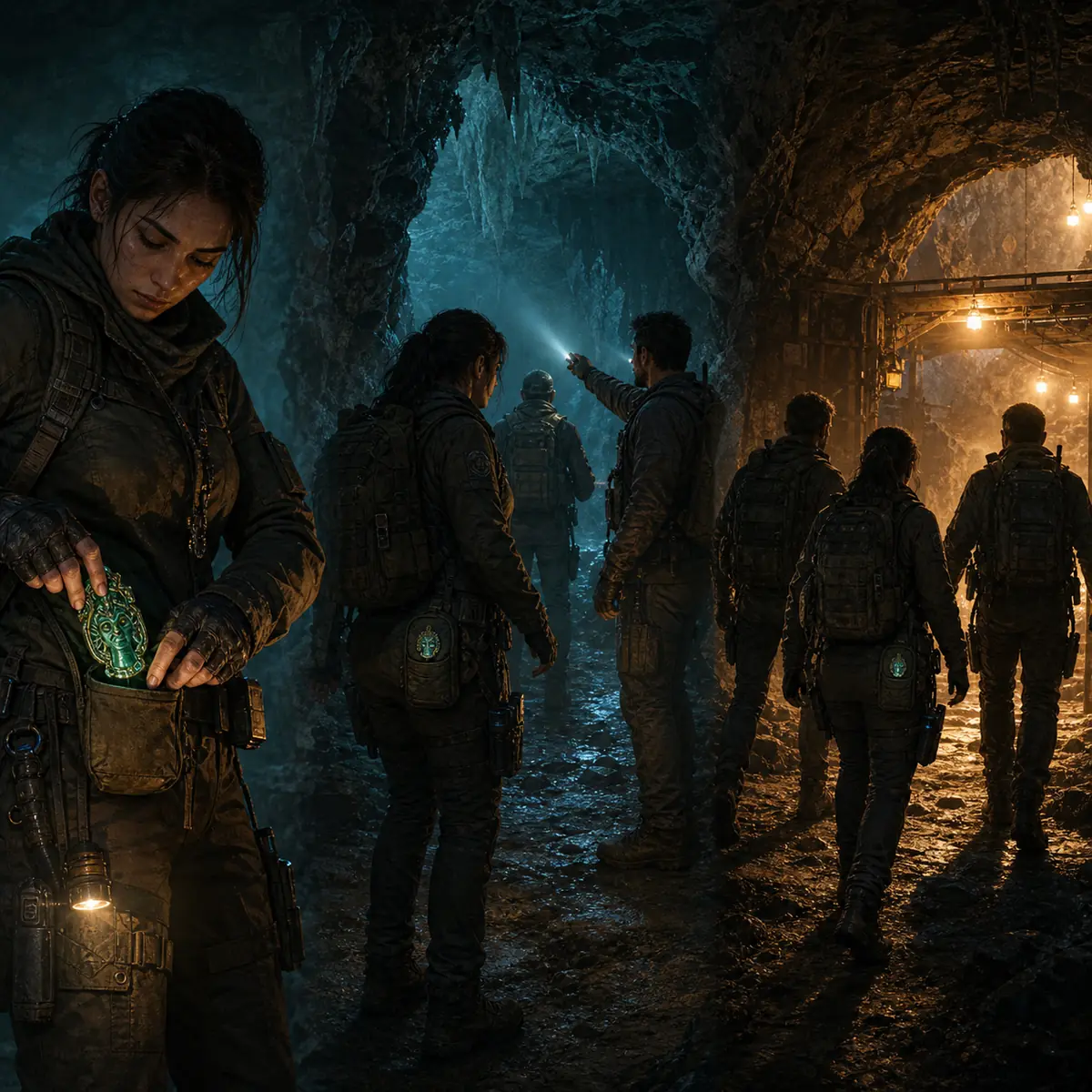

What belongs in the pouch first?
Use the pouch for a clear objective. The table below separates a useful pickup from a tempting reason to stay too long.
| Pickup type | Best role | Use it when | Do not use it to |
|---|---|---|---|
| First known salvage | Collection progress | The carrier can return through a route the team has already tested. | Chasing a second branch before the first item is safe. |
| High-value salvage | Reward run | The exit is visible or the route owner can call every major turn. | Ignoring a monster cue because the pouch is not full yet. |
| Small utility item | Run support | It solves a near-term light, recovery, or movement problem. | Filling space with items no one has assigned to a role. |
| Event or collection piece | Long-term progress | The team has a safe extraction margin and enough time to confirm the pickup. | Assuming an unverified community list is still current. |
| Second pickup | Experienced route | The first carrier is already moving back and another player can cover the return. | Splitting the squad into separate rescue routes. |
The four-step pouch loop
A repeatable pouch routine keeps the guide useful across changing maps and updates. Do the steps in order instead of reacting to the biggest-looking item.
Confirm the item and the exit
Pause long enough to identify what you are carrying and where the team will leave. If no one can explain the return, the pouch is not ready to be filled.
- Name one landmark
- Keep the carrier in formation
- Check the next danger cue
Choose one carrier
Give the pouch to the player who can move with the squad and communicate calmly. The scout or route owner should stay free to read the next room.
- Keep roles visible
- Avoid silent handoffs
- Leave recovery with support
Take the shortest safe loop
Once the item is secured, stop adding distance. Use the route you already understand rather than testing a new shortcut while carrying progress.
- Follow the named landmark
- Call turns before crossing
- Do not split for a bonus room
Bank progress before greed
Extraction is the finish line for the pouch decision. A successful return teaches more than a failed deep run and gives the next attempt a stronger base.
- Leave with margin
- Record what worked
- Add a second pickup later
Who should carry the pouch?
Pouch efficiency comes from role clarity. Match the carrier to the route, the item, and the team's ability to rescue a mistake.
The collector carries the item
The player who already checks nearby salvage can carry the pouch, as long as they stay within the route owner's callout range.
A collector should never disappear just because the pouch is valuable.
The route owner carries the map knowledge
The player who knows the exit should stay free to lead turns, watch hazards, and decide when the pouch run ends.
The safest carrier is not always the person with the best map memory.
Support protects the return
A support player keeps light, recovery, or movement options available while the carrier focuses on staying with the group.
Protect the route before protecting the item.
The mobile player is the backup
A mobility-focused teammate can cover a gap or regroup, but should not turn a pouch run into a solo expedition.
Use mobility to rejoin the plan, not to create a new one.
Common pouch mistakes
Most failed pouch runs come from a broken route decision, not from the pouch itself.
Filling it before learning the exit
Carry pressure and route uncertainty compound quickly. Learn one safe loop first, then use the pouch to improve the value of that loop.
Letting the carrier scout alone
A pouch carrier who walks ahead can lose light, callouts, and rescue coverage. Keep the carrier close enough to hear the next decision.
Treating community behavior as a guaranteed rule
Pouch and item behavior can change. Label community observations as observations and confirm current mechanics in the client or official update notes.
Adding another item after the return call
Once the squad has agreed to leave, a bonus room changes the plan. Bank the first success and make the next run the experiment.
Sources and update checks
Use official material for the current game loop and update context; treat community pages as useful observations rather than authoritative patch notes.
Tomb Busters official site
Confirm the public game identity, co-op extraction framing, and official resource links.
Open official siteOfficial August 13 update
Check current item, stamina, chest, and return-related wording before treating an older guide as a rulebook.
Read update contextGamerch pouch discussion
Community setup notes can reveal player questions, but they should be labeled as user-sourced and rechecked after updates.
View community referenceRelated Tomb Busters guides
Use the pouch guide with the pages that explain equipment, routes, and salvage decisions.
Equipment guide
Choose light, recovery, mobility, and carry tools around squad roles.
Open equipment guideMap guide
Build an extraction loop before adding a risky collectible branch.
Open map guideSalvage upgrade guide
Separate carry value, Codex progress, and safe extraction decisions.
Open salvage guideTomb Busters pouch FAQ
Short answers to the questions players ask before filling a pouch.
Carry one clear objective, keep the carrier inside the team's light and callout range, and return through a route the squad already understands. Extract before the pouch becomes a reason to push deeper.
Usually the collector who can stay with the squad. The route owner should remain free to lead turns and call the extraction decision.
No. Learn one return loop first. A larger carry decision is useful only when the team can explain how to leave.
Do not assume that. Community reports and current game behavior can differ, so confirm item rules in the current client and official update context.
Only after the first carrier is already returning and another player can cover the route. For a new squad, bank one success before testing a second pickup.
No. It is an unofficial editorial guide. Official pages and the current in-game interface should be the final authority for changing mechanics.