Tomb Busters Tier List: best characters, roles, and team builds
The best Tomb Busters character is not just the one with the flashiest skill. A strong pick keeps the route readable, protects loot value, and gives the squad a way to recover when a monster cue turns into a chase. This tier list ranks roles by practical run impact so new and returning players can invest with less guesswork.
This unofficial fan guide combines public store context, official game links, and practical co-op extraction logic. Character balance can change after updates, so treat the tiers as decision guidance rather than permanent patch notes.
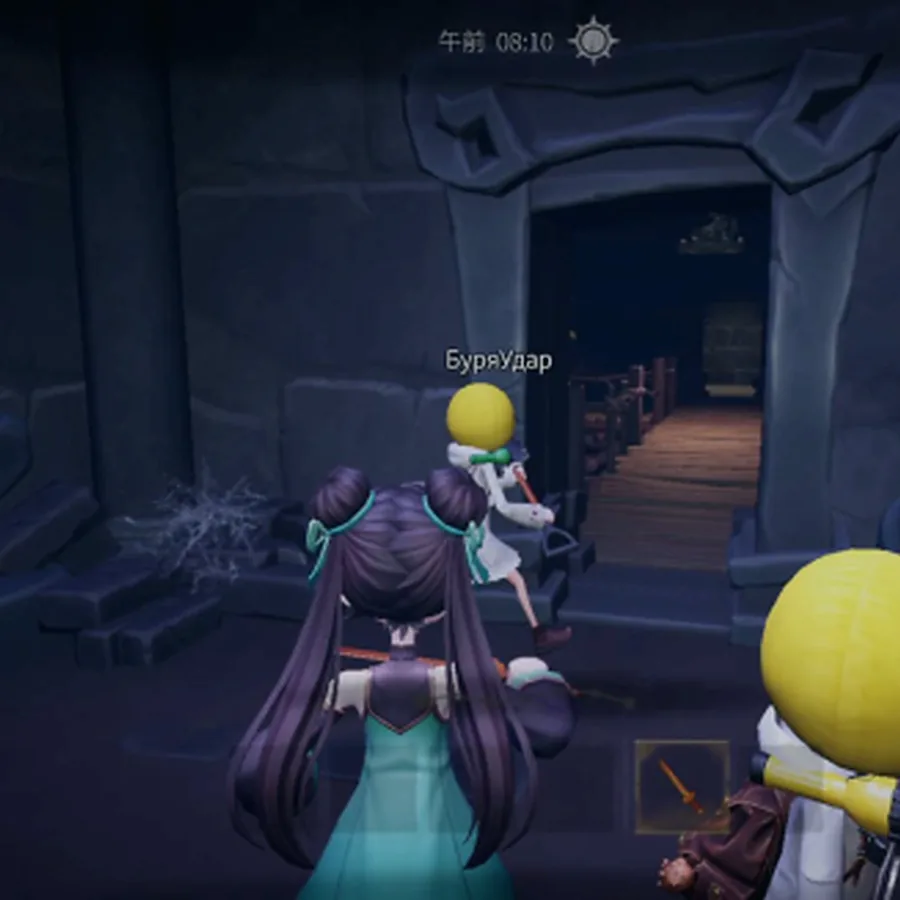
Quick answer: pick route control first, then damage and greed tools
For most players, the safest S-tier role in Tomb Busters is the character or build that controls information: scouting dark rooms, keeping the exit route visible, and calling danger before the team commits. If a character helps the squad avoid bad rooms or leave earlier with loot, that value usually beats a narrow damage boost.
A-tier picks are strong when they solve a specific run problem. A mobility-focused character can rescue a split route, a support character can stabilize a mistake, and a loot-focused character can raise profit once the squad already survives consistently. They fall below S tier only because they need cleaner timing or a teammate who understands the plan.
B-tier roles are usable but conditional. They may feel good in easy rooms, solo farming, or low-risk loops, yet they often lose value when the team faces confusing audio cues, blocked paths, or a monster that punishes slow decisions. Beginners should use B-tier characters only after learning exits and item timing.
C-tier choices are not useless; they are simply expensive to make work. If a character needs rare upgrades, perfect map knowledge, or teammates who already cover every weakness, that pick should not be the first investment on a fresh account. Save those characters for experimentation after the core team is stable.
The main rule is simple: invest first in characters that reduce failed extractions, then add characters that increase loot speed. Tomb Busters rewards survival and coordination, so the best character guide is really a role guide.
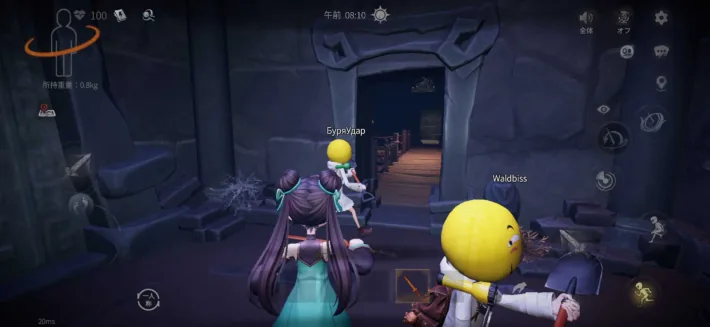
Tomb Busters tier list by practical role value
Use the tiers as a starting point for investment. If future updates change named characters, keep the same role logic: route control first, recovery second, then speed and greed.
| Tier | Role type | Best for | Watch out for |
|---|---|---|---|
| S | Route controller / information lead | New accounts, mixed squads, safer extraction loops, and players who call exits clearly. | Can feel less flashy than damage picks, but usually prevents the mistakes that end runs. |
| A | Support stabilizer | Teams that already route well but need healing windows, revive discipline, or mistake recovery. | Support value drops if the squad keeps healing in unsafe rooms. |
| A | Mobility rescuer | Fast regrouping, reaching a separated teammate, and leaving after high-value pickups. | Risky when used for unsupported solo looting. |
| B | Loot specialist | Stable teams farming known routes after the exit path is already controlled. | Greed tools become traps when the team cannot leave consistently. |
| B | Burst damage or panic tool | Short threat windows and emergency pushes through a known danger point. | Does not replace scouting, route control, or safe extraction timing. |
| C | Late-scaling specialist | Experienced squads testing niche builds, rare upgrades, or planned challenge runs. | Usually too resource-hungry for a first investment. |
How the rankings were judged
Because public character data can shift, this guide ranks practical value instead of pretending that one static number explains every run.
Extraction value
A character rises when they prevent wipes, shorten confusion, or make the route home easier to read.
Role coverage
Picks that cover missing squad jobs rank higher than characters that duplicate a job the team already has.
Early usefulness
Characters that work before rare upgrades are safer recommendations for new players.
Mistake tolerance
A good pick still helps after one bad room, one wrong turn, or one teammate splitting too far.
Best team builds for early and mid-game runs
Think in jobs before names. A balanced team normally needs one route reader, one stabilizer, one flexible looter, and one player who can either rescue or close the run.
Safe beginner team
Route controller plus support stabilizer is the cleanest opening core. Add a cautious looter only after the team can return to the exit without panic.
Best when learning maps, monsters, and basic item timing.
Fast farming team
Route controller plus loot specialist works when the squad already knows safe loops and wants more value per run.
Stop the run early if the route controller loses certainty.
Rescue-heavy team
Mobility rescuer plus support stabilizer protects squads that often split or overextend.
Use mobility to rejoin the plan, not to create a second route.
Experienced greed team
Loot specialist plus burst tool can work once the team understands threat windows and exit timing.
This is a mid-game plan, not a first-day investment path.
Upgrade order: where to spend first
A tier list becomes useful only when it changes investment decisions. Spend resources in the order that removes the most common failure points.
1. Secure one information role
Invest first in the character or build that makes the route readable. If the squad knows where it entered, where danger came from, and when to leave, every later upgrade becomes easier to use.
2. Add recovery or rescue next
Once the route is stable, choose a character who can save a mistake. Recovery, regrouping, or emergency movement protects the value already collected.
3. Delay pure greed upgrades
Loot bonuses and late-scaling traits are fun, but they should come after the team can extract. Otherwise they mostly increase the amount of value lost in failed runs.
4. Re-check after each update
When new characters, skills, or balance notes appear, compare them against the same criteria: safety, role coverage, early usefulness, and mistake tolerance.
Solo vs squad picks
Solo players need self-contained safety. Squads can specialize harder because teammates can cover weaknesses.
| Mode | Best pick style | Why it works |
|---|---|---|
| Solo | Route control with self-rescue | You need vision, escape timing, and a way to recover without waiting for a teammate. |
| Two players | Route controller plus support or mobility | One player keeps the plan readable while the other handles mistakes or distance. |
| Full squad | Specialized roles around one clear caller | A full team can include a looter or burst role if one player remains responsible for exit calls. |
Sources and update checks
Use these official or first-party pages for availability, screenshots, and current store wording. Use this page for editorial role interpretation.
Official website
Publisher-controlled game page and language-specific landing route.
Open official siteGoogle Play
Android store listing with current screenshots, media, and availability notes.
Open Google PlayApp Store
iOS store listing with current platform wording and public media.
Open App StoreRelated guides
Use these guides when a character choice depends on routes, monsters, gear, or rewards.
Character guide
Browse Tomb Busters characters by role before using the ranking and investment advice.
Read character guideBeginner guide
Learn the first-run route plan before investing in niche characters.
Read beginner guideMonster guide
Match character roles to threat signals and escape decisions.
Read monster guideEquipment guide
Pair your character role with visibility, recovery, and mobility items.
Read equipment guideMultiplayer guide
Assign roles and short callouts before the squad pushes deeper.
Read multiplayer guideTomb Busters tier list FAQ
Short answers for character investment and team-building questions.
For most players, the best choice is the character or role that improves route control and extraction safety. Named rankings can change, but information and recovery value stay useful across updates.
Beginners should usually pick support, route control, or self-rescue before pure damage. Damage matters more after the team already understands monster cues and exit timing.
No. Loot-focused characters are strong after the team can extract consistently. They are risky as first investments because they encourage staying deeper than the route can safely support.
Use the solo guidance separately. Solo players should prefer self-contained safety, while squads can run more specialized roles because teammates cover weaknesses.
Re-check it after major balance patches, new characters, or store updates. The ranking logic should still compare safety, role coverage, early usefulness, and mistake tolerance.