Tomb Busters Multiplayer Guide: team roles, callouts, and recovery plans
Tomb Busters is much easier when the squad agrees on jobs before the run starts. A team that knows who watches the route, who calls monster cues, who stops greedy looting, and who resets a bad split will extract more consistently than a team with stronger gear but no shared plan.
This unofficial fan guide uses public official/store context and focuses on practical co-op decisions, not unsupported balance claims.
Quick answer: assign jobs before chasing loot
The strongest Tomb Busters multiplayer team is not the team where everyone grabs loot at once. It is the team where one player owns the route, one watches threat cues, one handles safe pickups, and one keeps the squad from turning one mistake into a full wipe.
For beginners, a two-player setup is often the cleanest practice mode. One player leads the path and exit call, while the other checks rooms and handles pickups. In a four-player squad, split into two pairs instead of four solo explorers.
Short callouts matter more than long explanations. Words like back, stop, skip, and regroup are fast enough to use during pressure. If your team needs a full sentence to explain every danger, the callout is too slow.
This page is separate from the character tier list. The tier list helps with investment choices; this multiplayer guide helps decide who does what during the run. Good roles make almost every character easier to use.
If your group keeps losing near the end of a run, fix the communication loop before blaming gear. Lock the retreat call, choose a meeting point, and make one player responsible for ending the run before greed takes over.
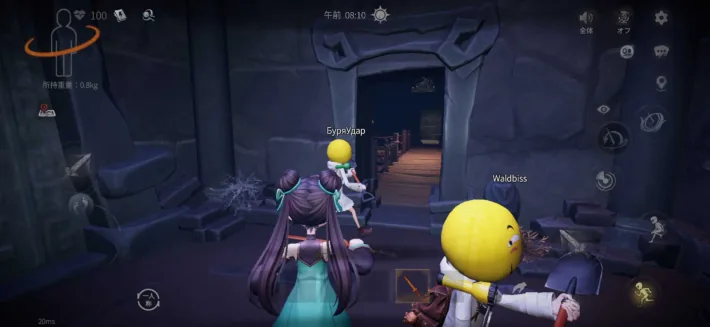
Recommended team roles
Think in jobs, not just named characters. This keeps the plan useful after balance changes or new characters.
| Role | Main job | Best player fit | Failure state |
|---|---|---|---|
| Route lead | Tracks entrance, branches, exits, and the moment to leave. | Someone calm enough to stop greed and repeat directions. | Everyone loots while nobody remembers the way out. |
| Threat watcher | Calls dark rooms, sound cues, monster movement, and unsafe doors early. | A player who notices details and reports in short phrases. | The first player sees danger silently and the rest walk into it. |
| Loot handler | Collects value inside the safe window and stops when the retreat call lands. | Someone who can manage inventory without splitting too far. | A valuable pickup pulls the player into a second unsupported route. |
| Reset support | Handles healing, regrouping, and safe recovery after a split or hit. | A player who checks teammate positions before rushing in. | The rescue creates a second rescue chain. |
Best setup by squad size
More players give you more coverage, but also more ways to split the plan. Keep the structure simple.
Solo
You combine route lead and threat watcher. Take less loot and protect your way back.
Two players
One player leads path and exit calls; the other checks rooms and handles safe pickups.
Three players
Separate route, threat, and loot jobs. Let the calmest player own recovery calls.
Four players
Run as two pairs with one clear caller. Four independent routes are harder to save.
Short callouts worth agreeing on
A callout should be usable while running. Keep it short, repeatable, and tied to an action.
Back
Stop looting and move toward the exit. Treat this as a team decision, not a debate.
Example: back, exit now.
Stop
Freeze the push for one moment because a cue, shadow, or room needs checking.
Example: stop, left sound.
Skip
Do not pick up the tempting object or enter the unsafe room.
Example: skip it, route first.
Regroup
Repair a split. Name a concrete meeting point that everyone can identify.
Example: regroup at entrance.

Common multiplayer mistakes
Many failed runs collapse from coordination problems before gear or character power becomes the real issue.
| Mistake | Why it hurts | Fix |
|---|---|---|
| Everyone becomes the looter | No one tracks the exit, monster cues, or teammate spacing. | Name a route lead before entering the first room. |
| Callouts are too long | The situation changes before the team understands the warning. | Use four one-word calls and repeat them consistently. |
| Rescue chains | One downed player turns into two or three players entering danger. | Let reset support name the meeting point first. |
| Gear is not matched to roles | The squad duplicates comfort items while missing recovery or visibility. | Split visibility, healing, movement, and backup tools. |
Recovery plan when the run breaks
A good squad does not avoid every mistake. It returns to the same decision after a mistake.

1. Stop the greed
If someone is hit, lost, or sees a threat, stop collecting and stabilize the plan.
2. Say position first
Report where you are and what happened in a short phrase. Save the story for later.
3. Pick one meeting point
Use entrance, stairs, a bright room, or another landmark everyone can find.
4. Decide continue or extract
The route lead calls whether the remaining value is worth another push.
Official checks
Use official and store pages for current availability, screenshots, and platform wording. Use this guide for fan-made coordination advice.
Official website
Publisher-controlled landing page and official route hub.
Open official siteGoogle Play
Android listing with current public screenshots and availability notes.
Open Google PlayApp Store
iOS listing with current platform wording and media.
Open App StoreRelated guides
Team roles are easier to choose when you also understand threats, equipment, and character investment.
Beginner guide
Review the first-run route plan before assigning squad jobs.
Read beginner guideMonster guide
Turn threat signals into faster team warnings.
Read monster guideCharacter tier list
Convert team roles into character and upgrade decisions.
Open tier listTomb Busters multiplayer FAQ
Short answers for co-op planning before a run.
It can be easier when the team assigns roles and follows retreat calls. It can feel harder than solo when every player splits without a shared plan.
Route lead. A player who remembers the exit and calls retreat prevents many early wipes.
Yes, but use very short text or ping-style calls and agree on a meeting point before pushing deep.
Visibility and recovery tools usually help first. Add movement or loot efficiency after the team extracts consistently.
The tier list helps choose investments. This page helps the squad decide jobs and communication rules during play.