Supernatural Squad Beginner Guide: a safer first-run strategy
The best Supernatural Squad beginner strategy is to preserve the return route, assign simple roles, and leave before one greedy pickup breaks the run. Use this guide for your first five minutes, enemy pressure, gear timing, and extraction decisions.
Supernatural Squad is also presented by official sources as Tomb Busters. This fan guide uses both names so players can match store pages, videos, and search results.
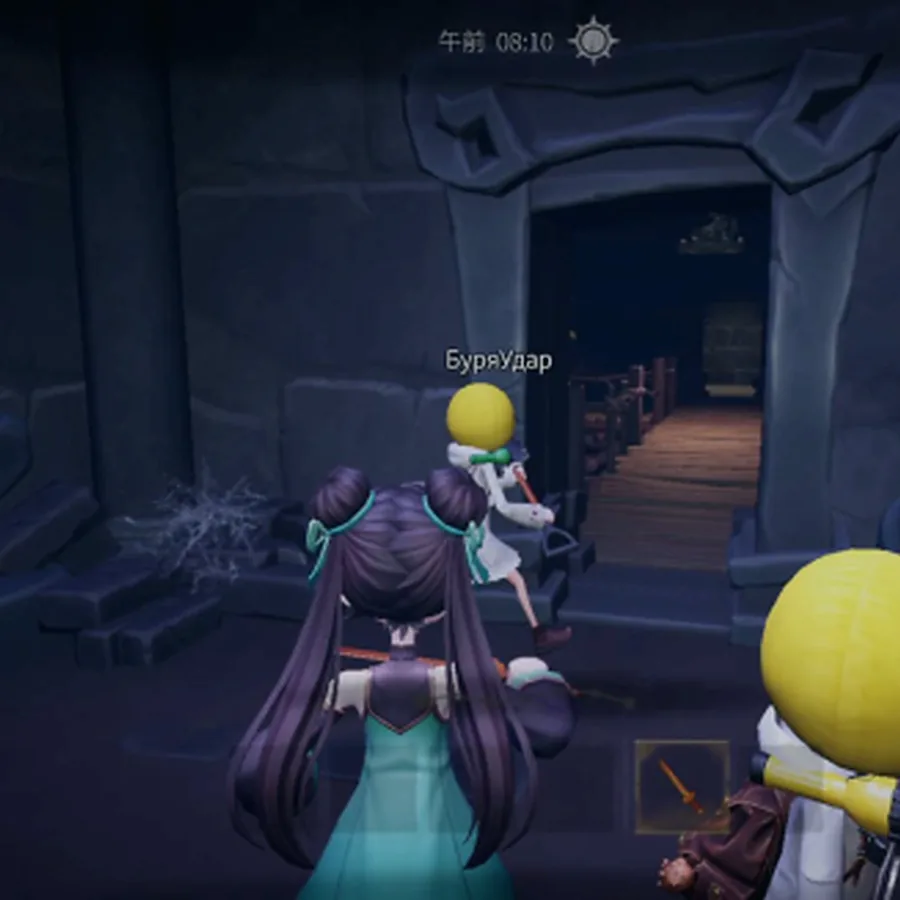
Quick answer: make the first run readable before making it profitable
The first Supernatural Squad strategy to learn is not the fastest loot route. It is how to preserve the return path, assign roles, and agree on retreat conditions. This beginner guide connects early progression, enemy survival, and gear choices.
The best beginner strategy in Tomb Busters and Supernatural Squad is not to clear every room. Your first goal is to understand the map loop, keep the squad close enough to trade information, collect only what the exit route still supports, and leave while the team can describe the way out.
Treat every early run as a scouting run. Mark the entrance, identify one safe regroup point, test how darkness and audio cues change movement, then decide whether the next pickup is still worth the risk. If the route back becomes uncertain, the correct beginner move is to stop collecting and reset.
This page complements the monster guide. Instead of focusing on a single creature, it explains the full beginner loop: what to do in the first five minutes, how roles prevent panic, which gear to spend first, and why controlled extraction is better than one more greedy pickup.
Official store copy positions Tomb Busters as a co-op horror extraction game with up to four players, full PC cross-play, proximity voice, roles, randomized runs, and 20+ folklore-inspired monsters. That means the best beginner plan is not just fighting harder; it is keeping the squad close enough to share audio, roles, and extraction timing.
If you are looking for help, split the problem by situation instead of menu wording. Use this page for first-run basics, the monster guide for threat signs, the codes guide for rewards, and the multiplayer guide for role and voice coordination.
Example: call the entrance, one regroup point, and one retreat word before the first deep pickup. If a new player cannot describe the way back, the next move should be a reset—not another room.

What to do in your first session
Use this order before trying high-risk routes or long solo loops.
Start with a shared exit call
Before anyone loots deeply, agree on the route name, the fallback point, and the word that means everyone leaves now.
A short call beats a long explanation during pressure.
Scout one loop before collecting hard
Walk the nearby route, note blockers, lights, corners, and return angles, then collect only after the team understands the space.
The first pass is for information; the second pass is for value.
Keep one player watching the route
New teams often fail because everyone looks at loot. Assign one player to track the exit and call when the route changes.
If no one owns the route, the route is already at risk.
Bank progress early
Leave after the squad learns a route, survives a scare, or reaches a useful loot threshold. A clean exit teaches more than a failed perfect run.
Extraction with information is still progression.
Beginner route plan table
Use this table to decide what matters at each phase of a run.
| Run phase | Priority | Avoid |
|---|---|---|
| Opening minute | Identify the entrance, first safe room, and one fallback path. | Running straight toward the loudest or most rewarding object. |
| First loot loop | Collect only while the return path is known and the squad can regroup quickly. | Letting every player chase separate pickups without a call. |
| First threat signal | Name the signal, pause collection, and protect the slowest player’s route out. | Arguing about the exact monster name while movement gets worse. |
| Extraction decision | Leave when the route is still readable, especially after damage, split movement, or tool use. | Spending the last tool to chase one more pickup. |
| Role selection | Pick Explorer, Supporter, or Fighter based on what the squad lacks, then keep the plan simple. | Choosing roles only for cosmetics and forgetting who protects routes, recovery, or threat calls. |
| When you need help | Sort the problem into controls, route, monster, code, gear, or multiplayer coordination. | Trying to solve every question from the homepage and missing the more specific guide. |
Simple roles for a new squad
You do not need complex assignments. Three lightweight roles stop most beginner mistakes.
The player who remembers the way out
This role watches corners, route changes, and regroup points while others scan for value.
- Calls when the exit path changes.
- Keeps the slowest player in mind.
- Stops the team from drifting too deep.
The player who picks up value
The collector moves only when the route owner says the return path is still usable.
- Checks exits before pickup.
- Avoids solo greed loops.
- Reports when carrying value changes movement.
The player who names pressure fast
This role turns vague fear into short calls such as blocked route, unknown audio, or line-of-sight risk.
- Uses behavior calls, not long stories.
- Tells the team when to stop looting.
- Points players toward the next safe action.
Gear priority for beginners
Beginner gear is strongest when it prevents confusion before the squad is already split.
| Gear | Best beginner use | Spend it when |
|---|---|---|
| Flashlight or visibility tool | Confirm corners, routes, and unknown audio before someone walks blind. | Use before entering a dark room, not after the team is separated. |
| Mobility option | Reset distance or cross a risky space after the route owner has called the exit. | Use for regrouping or extraction, not solo looting. |
| First aid or recovery item | Stabilize a teammate after the threat is managed and the route is readable. | Use once the location is safe enough to avoid repeat damage. |

Beginner mistakes that cost runs
Most failed runs are caused by timing and communication, not by one unlucky scare.
Treating the first run like a full clear
New squads often lose because they try to maximize loot before learning routes. Scout first, collect second, and leave before the route becomes guesswork.
Splitting without a return call
Two short solo loops can become two separate emergencies. If a player cannot say how to return, the squad should regroup.
Saving gear until it is too late
A flashlight or mobility tool has more value before panic begins. Spend tools to prevent a bad position, not only to recover from one.
Ignoring official update context
Names, store listings, and mechanics can shift. Use official pages for availability and update checks, then use fan guides for practical route decisions.
Where to go next
After the first-session loop makes sense, use these resources to deepen your monster knowledge and verify current game information.
Monster threat guide
Classify enemy signals and choose a safer response during the first runs.
Read threat guideMap and extraction guide
Learn how to build a return loop before adding collectible branches.
Read map guideMonster Farm guide
Plan seed priorities, daytime preparation, nighttime harvests, gifts, and message-board checks.
Read farm guideOfficial website
Check official language pages, store links, and publisher-controlled game information.
Open official siteGoogle Play listing
Use store media and update notes to confirm the current mobile version and screenshots.
Open Google PlayMultiplayer guide
Assign roles and short callouts before the squad pushes deeper.
Read multiplayer guideBeginner guide FAQ
Short answers for players comparing Tomb Busters, Supernatural Squad, store pages, and fan wiki guidance.
Official pages and store contexts use both names around the same game property. This guide uses both terms so players can match search results, store listings, and fan wiki pages.
Learn one safe route, agree on short team calls, collect only while the exit remains clear, and leave before the squad spends every tool.
No. Memorization helps later, but the first skill is reading behavior signals such as blocked routes, unknown audio, line-of-sight pressure, and baited pickups.
Extract when the route is still readable, especially after a scare, damage, split movement, or major tool use. Leaving early with information is better than losing the run to greed.
Yes. Cross-play groups should agree on short voice calls and one route owner early, because mobile and PC players may react at different speeds during extraction pressure.
Use this beginner guide for first runs, the monster guide for enemy counters, the codes guide for rewards, and the multiplayer guide for team roles.
Confirm the exit and return route, assign collection, navigation, and support roles, and agree on retreat conditions. Getting everyone back safely matters more than fighting every enemy or buying an expensive weapon early.
Mark the entrance, agree on a regroup point, assign one route watcher, and collect only while the team can still describe the way back. Learn the loop before chasing maximum loot.