Tomb Busters vs. Lethal Company : est-ce une copie ?
Les deux jeux partagent une tension d’extraction en coopération, mais les descriptions publiques montrent des univers, plateformes, tons et progressions différents. Ce guide distingue les codes du genre des preuves d’une copie directe.
Comparaison éditoriale non officielle. Elle ne constitue pas un avis juridique et l’art généré n’est pas présenté comme du gameplay.
Réponse courte : une prémisse proche, pas assez de preuves pour parler de copie
Tomb Busters et Lethal Company peuvent sembler proches : une équipe entre dans un lieu dangereux, récupère de la valeur et doit décider quand repartir. Cette ressemblance est réelle, mais cette structure existe dans de nombreux jeux de survie coopératifs.
Les pages publiques décrivent Tomb Busters comme une aventure surnaturelle avec tombes, trésors, monstres et coopération. La page Steam de Lethal Company décrit la récupération de ferraille sur des lunes abandonnées et une pression de quota.
La conclusion prudente est donc la suivante : les deux jeux se situent dans une même famille de jeux d’extraction-horreur, mais les sources examinées ne prouvent pas que Tomb Busters ait copié Lethal Company.
Pour choisir, regardez d’abord la plateforme et le ton. Tomb Busters est présenté avec des parcours mobile et PC, tandis que Lethal Company est présenté comme un produit PC sur Steam.
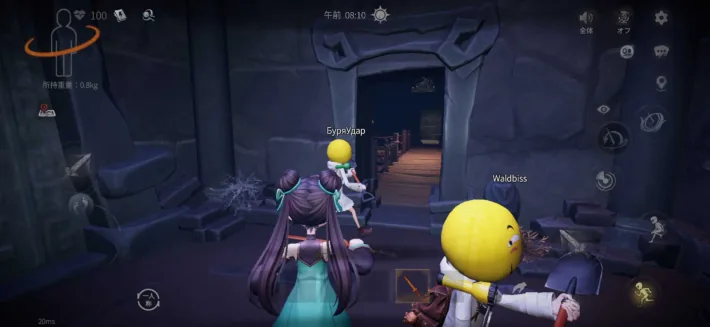
Tomb Busters et Lethal Company en parallèle
The useful comparison is about the player-facing loop and public product context. It should not turn broad genre similarities into a claim about creative ownership.
| Aspect | Tomb Busters | Lethal Company | À retenir |
|---|---|---|---|
| Core activity | Explore supernatural tombs, face threats, recover treasure, and try to leave safely. | Scavenge abandoned moons, bring scrap back, and work toward the Company quota. | Both create risk during the return trip, but the objective language and setting are different. |
| World and tone | A colorful supernatural adventure with tombs, monsters, treasure, and comic co-op energy. | A harsher industrial science-fiction horror setting built around abandoned facilities and hostile moons. | The emotional flavor is not interchangeable even when the tension curve feels familiar. |
| Platform context | Official pages present Android, iOS, and PC cross-play routes. | The official product page used for this comparison is the Steam PC listing. | Platform fit is a stronger buying signal than a “copy” headline. |
| Team fantasy | A squad enters a supernatural expedition and uses characters, equipment, and communication to stabilize a run. | A crew balances exploration, scrap collection, quota pressure, and survival decisions. | Both reward communication, but the fictional framing and progression questions differ. |
| What the sources prove | Official and store pages describe its own world, features, media, and availability. | Steam describes its own world, objective, co-op structure, and product context. | Public descriptions support comparison; they do not establish a legal or creative copying conclusion. |
Ce que les deux jeux partagent vraiment
These similarities explain why the search query exists. They are useful observations, but none of them alone proves that one game copied the other.
Go deeper, collect value, get out
Both games make the return decision meaningful. The longer a team stays in danger, the more a successful extraction matters.
- Exploration happens under pressure
- Loot or scrap creates temptation
- The exit is part of the challenge
Communication changes the run
A team that calls danger early and agrees when to retreat is more reliable than a group that simply moves faster.
- Short callouts reduce confusion
- Splitting the team increases risk
- Greed can turn a good run into a wipe
Players want a clear answer
People comparing the games usually want to know which atmosphere, platform route, and co-op style fit them best.
- Compare the experience, not only the premise
- Check first-party availability
- Treat rumor language as a question, not a verdict
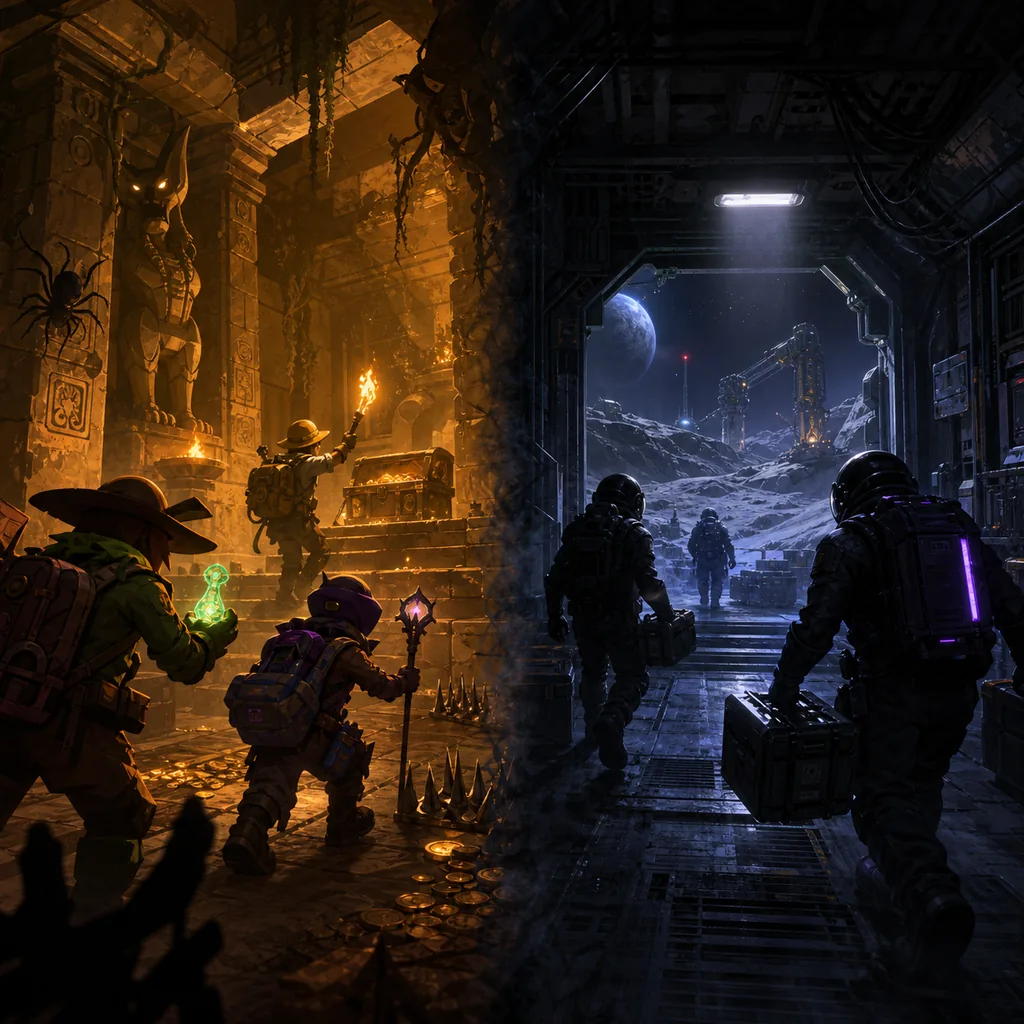
Choisissez selon l’expérience recherchée
A comparison page should help you decide, not just repeat the word “copy.” Use the public product context and your preferred play style.
Choose Tomb Busters for a supernatural, more colorful route
If you want tomb exploration, monsters, treasure, character flavor, and an official mobile-to-PC route, Tomb Busters is the more natural starting point.
Verify the current official platform page before installing or following an old guide.
Choose Lethal Company for industrial PC horror
If you want a Steam-centered industrial setting, abandoned facilities, scrap runs, and quota pressure, the official Lethal Company page points to a different fantasy.
Use the Steam listing for current product details instead of copied platform claims.
Compare systems before calling something a copy
Look at objective wording, world design, platform context, progression, and how a team handles risk. A shared extraction loop is only one part of the experience.
A thumbnail can show atmosphere; it cannot prove development lineage.
Keep the conclusion proportional to the evidence
The sources reviewed here support “similar co-op extraction pressure” and “different public product context.” They do not support a definitive legal or plagiarism conclusion.
Use “similar,” “overlapping,” or “in the same lane” when that is what the evidence supports.
Comment lire les affirmations de copie
The safest editorial approach is to separate observable similarities from claims about intent, ownership, or legal responsibility.
A genre pattern is not a source-code comparison
Co-op exploration, dangerous environments, valuable pickups, and an extraction decision appear across many games. They can justify a comparison page without proving direct copying.
Official descriptions are better than rumor summaries
The official Tomb Busters and Steam Lethal Company pages let readers compare the advertised loop and product context. Community discussion can explain why the question is popular, but it should not be presented as proof.
Do not use generated art as product evidence
The two concept images on this page are clearly labeled and only explain mood or structure. Real game details should come from official pages or explicitly attributed community material.
Recheck availability separately
Platform and version information changes. Use the site’s platform and download guides for current store routes instead of treating this comparison as a download page.
Poursuivre avec les guides pratiques
After comparing the two experiences, use the site’s existing guides for concrete Tomb Busters decisions.
Beginner guide
Learn the first-run route, roles, gear, and extraction habits.
Read beginner guideMultiplayer guide
Turn co-op pressure into roles, callouts, and recovery plans.
Open multiplayer guidePlatform guide
Check PC, Steam, mobile, and official availability claims.
Check platformsDeveloper guide
Separate official company names from copied or unclear listings.
Read developer guideComparaison entre Tomb Busters et Lethal Company
Comparez les alternatives à Tomb Busters selon la boucle d’horreur coopérative, le ton et la plateforme.
Voir les jeux similairesSources officielles et attribuées
These links support the public product descriptions used in the comparison. They do not turn the article into a legal opinion.
Tomb Busters official site
Publisher-controlled landing page for the game’s public world, media, and platform routes.
Open official siteTomb Busters on Google Play
Official Android listing with public product details, screenshots, and availability context.
Open Google PlayLethal Company on Steam
Official Steam page used for the game’s public objective, setting, and PC product context.
Open Steam pageGameWith public gameplay reference
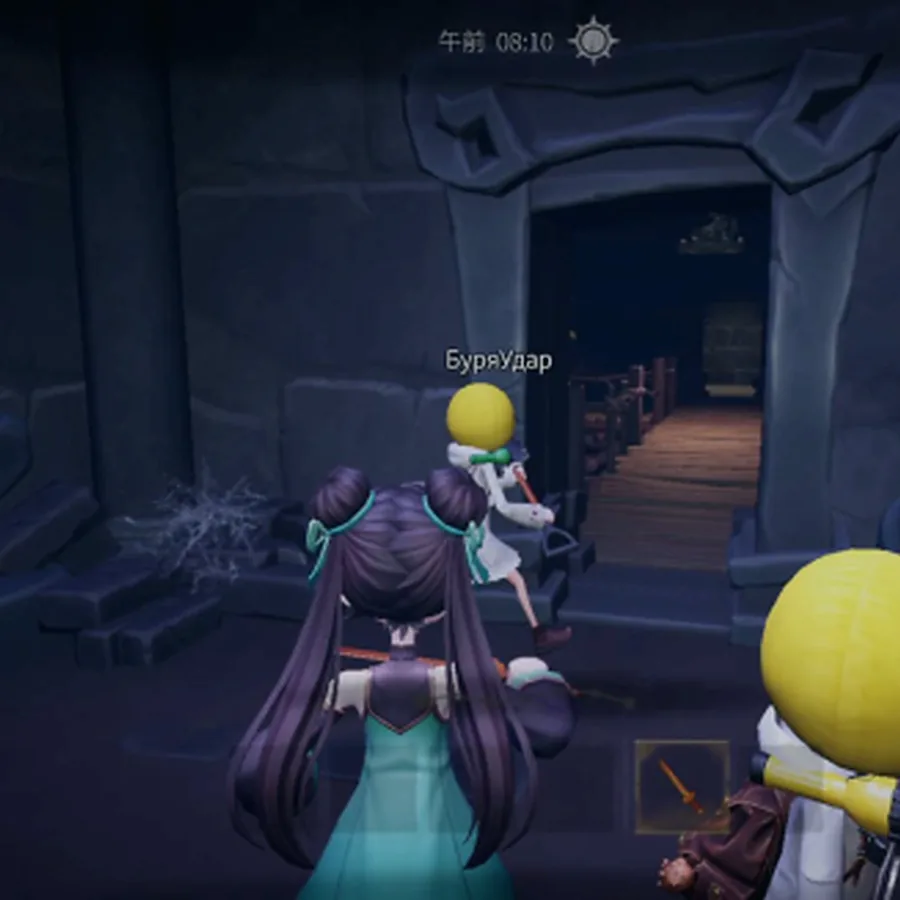
The real gameplay image used above is attributed to GameWith and kept separate from official media.
View GameWith sourceFAQ Tomb Busters vs. Lethal Company
Short answers for the comparison questions that prompted this page.
Les sources publiques montrent des codes communs de l’extraction-horreur coopérative, mais ne prouvent pas une copie directe.
Une exploration dangereuse en équipe, la collecte de valeur, la gestion du risque et le choix du moment du retour.
Tomb Busters met en avant les tombes surnaturelles, les trésors, les monstres et les parcours mobile/PC ; Lethal Company les lunes industrielles, la ferraille, le quota et Steam PC.
Choisissez Tomb Busters pour l’aventure surnaturelle et le parcours mobile-PC ; Lethal Company pour l’horreur industrielle sur PC.
Non. Les deux visuels comparatifs sont des concepts éditoriaux générés par IA et sont clairement signalés.