Tomb BustersとLethal Companyはコピーなのか?違いを比較
両作には協力型の脱出プレッシャーという共通点がありますが、公開情報では舞台、対応機種、雰囲気、進行の見せ方が異なります。このページでは、ジャンルの共通点と直接コピーを示す根拠を分けて整理します。
非公式の編集比較です。法的判断ではなく、生成画像を実際のゲーム画面として扱うこともありません。
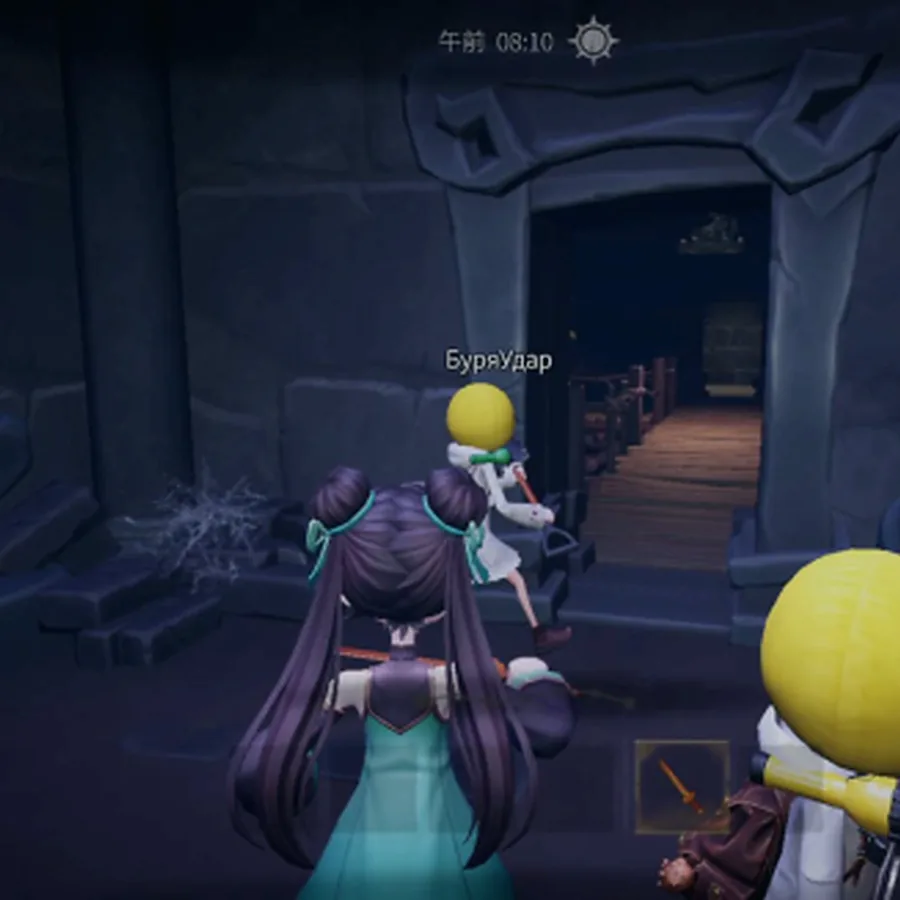
結論:似た発想はあるが、コピーと断定する根拠はない
Tomb BustersとLethal Companyは、危険な場所へチームで入り、価値のあるものを回収し、帰還までを緊張にする点で似ています。ただし、これは協力型サバイバルで広く使われる構造でもあります。
公開ページでは、Tomb Bustersは超自然的な墓や宝、モンスター、明るい協力プレイとして説明されています。一方、Lethal Companyは廃棄された月でスクラップを集め、会社のノルマを達成する工業系ホラーとして説明されています。
したがって、公開情報から安全に言えるのは、両作が同じ脱出ホラーの流れに重なるということです。Tomb BustersがLethal Companyをコピーしたと証明する情報は、この比較で確認した範囲にはありません。
遊ぶ作品を選ぶなら、コピーという見出しより、対応プラットフォームと雰囲気を確認してください。Tomb BustersはモバイルとPCの導線が示され、Lethal CompanyはSteamのPC作品として案内されています。
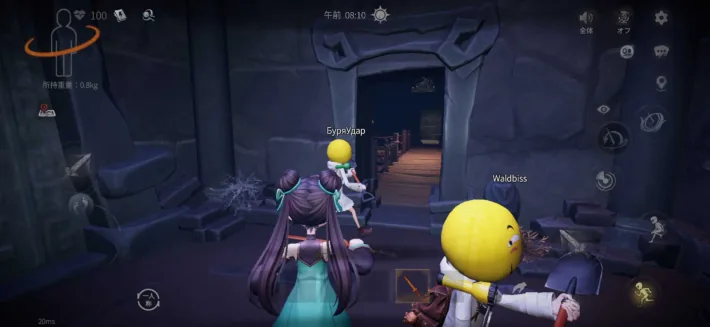
Tomb BustersとLethal Companyの比較
The useful comparison is about the player-facing loop and public product context. It should not turn broad genre similarities into a claim about creative ownership.
| 項目 | Tomb Busters | Lethal Company | 実際の判断 |
|---|---|---|---|
| Core activity | Explore supernatural tombs, face threats, recover treasure, and try to leave safely. | Scavenge abandoned moons, bring scrap back, and work toward the Company quota. | Both create risk during the return trip, but the objective language and setting are different. |
| World and tone | A colorful supernatural adventure with tombs, monsters, treasure, and comic co-op energy. | A harsher industrial science-fiction horror setting built around abandoned facilities and hostile moons. | The emotional flavor is not interchangeable even when the tension curve feels familiar. |
| Platform context | Official pages present Android, iOS, and PC cross-play routes. | The official product page used for this comparison is the Steam PC listing. | Platform fit is a stronger buying signal than a “copy” headline. |
| Team fantasy | A squad enters a supernatural expedition and uses characters, equipment, and communication to stabilize a run. | A crew balances exploration, scrap collection, quota pressure, and survival decisions. | Both reward communication, but the fictional framing and progression questions differ. |
| What the sources prove | Official and store pages describe its own world, features, media, and availability. | Steam describes its own world, objective, co-op structure, and product context. | Public descriptions support comparison; they do not establish a legal or creative copying conclusion. |
本当に共通している部分
These similarities explain why the search query exists. They are useful observations, but none of them alone proves that one game copied the other.
Go deeper, collect value, get out
Both games make the return decision meaningful. The longer a team stays in danger, the more a successful extraction matters.
- Exploration happens under pressure
- Loot or scrap creates temptation
- The exit is part of the challenge
Communication changes the run
A team that calls danger early and agrees when to retreat is more reliable than a group that simply moves faster.
- Short callouts reduce confusion
- Splitting the team increases risk
- Greed can turn a good run into a wipe
Players want a clear answer
People comparing the games usually want to know which atmosphere, platform route, and co-op style fit them best.
- Compare the experience, not only the premise
- Check first-party availability
- Treat rumor language as a question, not a verdict
欲しい体験で選ぶ
A comparison page should help you decide, not just repeat the word “copy.” Use the public product context and your preferred play style.
Choose Tomb Busters for a supernatural, more colorful route
If you want tomb exploration, monsters, treasure, character flavor, and an official mobile-to-PC route, Tomb Busters is the more natural starting point.
Verify the current official platform page before installing or following an old guide.
Choose Lethal Company for industrial PC horror
If you want a Steam-centered industrial setting, abandoned facilities, scrap runs, and quota pressure, the official Lethal Company page points to a different fantasy.
Use the Steam listing for current product details instead of copied platform claims.
Compare systems before calling something a copy
Look at objective wording, world design, platform context, progression, and how a team handles risk. A shared extraction loop is only one part of the experience.
A thumbnail can show atmosphere; it cannot prove development lineage.
Keep the conclusion proportional to the evidence
The sources reviewed here support “similar co-op extraction pressure” and “different public product context.” They do not support a definitive legal or plagiarism conclusion.
Use “similar,” “overlapping,” or “in the same lane” when that is what the evidence supports.
「コピー」という主張を読み解く方法
The safest editorial approach is to separate observable similarities from claims about intent, ownership, or legal responsibility.
A genre pattern is not a source-code comparison
Co-op exploration, dangerous environments, valuable pickups, and an extraction decision appear across many games. They can justify a comparison page without proving direct copying.
Official descriptions are better than rumor summaries
The official Tomb Busters and Steam Lethal Company pages let readers compare the advertised loop and product context. Community discussion can explain why the question is popular, but it should not be presented as proof.
Do not use generated art as product evidence
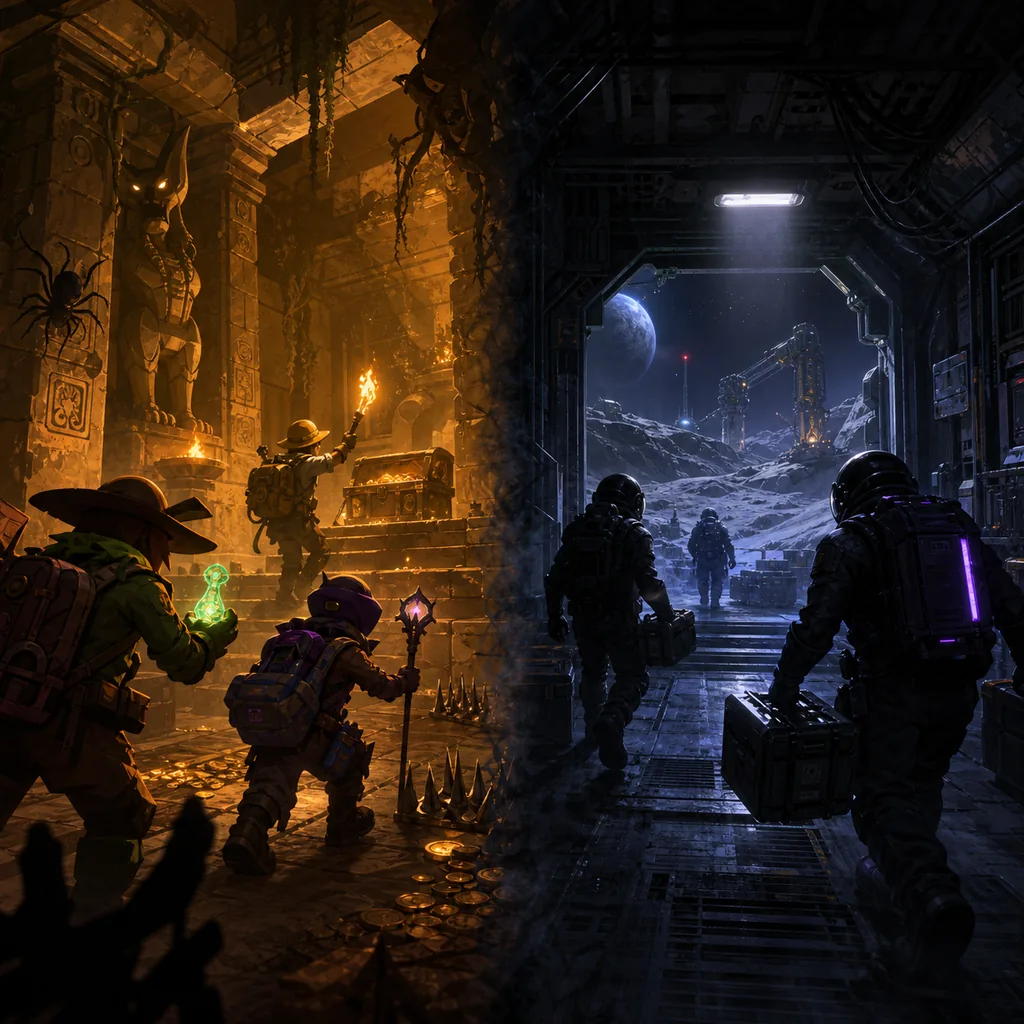
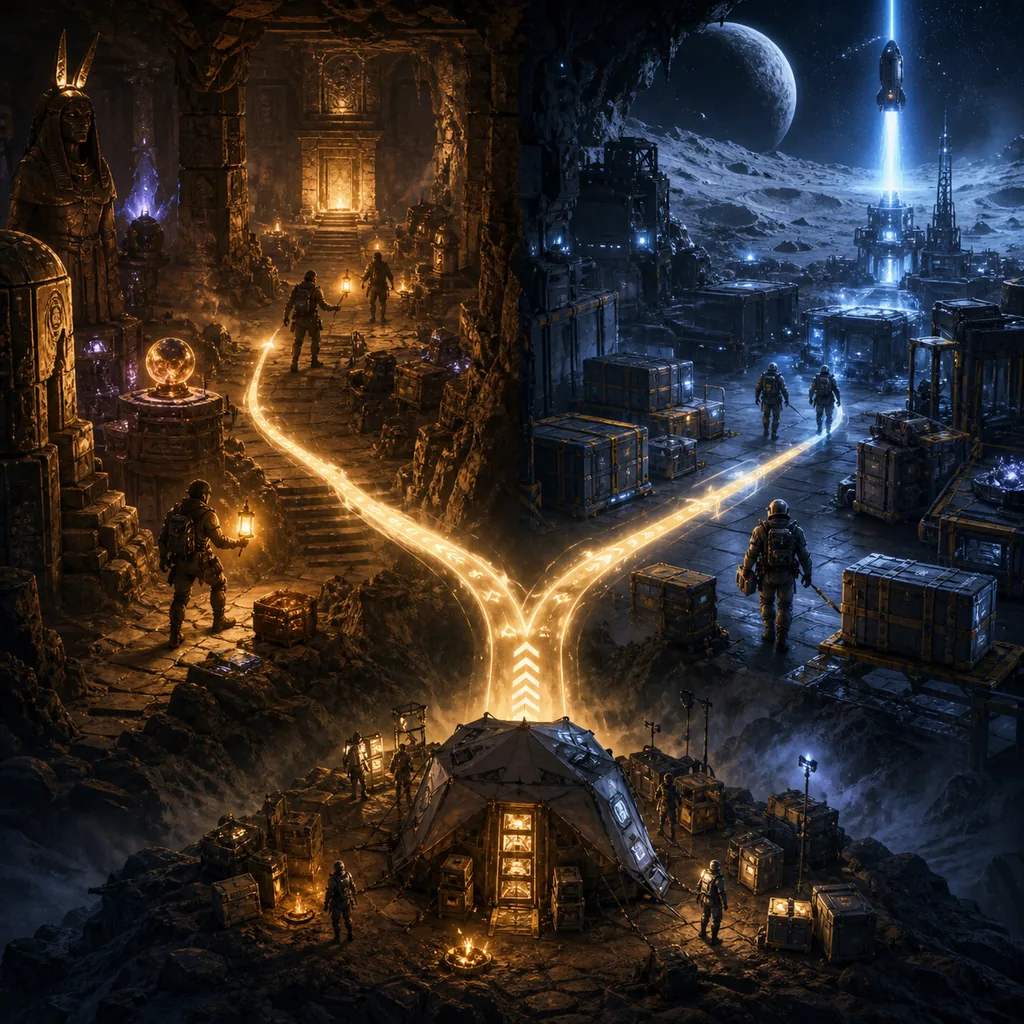
The two concept images on this page are clearly labeled and only explain mood or structure. Real game details should come from official pages or explicitly attributed community material.
Recheck availability separately
Platform and version information changes. Use the site’s platform and download guides for current store routes instead of treating this comparison as a download page.
実用ガイドも続けて読む
After comparing the two experiences, use the site’s existing guides for concrete Tomb Busters decisions.
Beginner guide
Learn the first-run route, roles, gear, and extraction habits.
Read beginner guideMultiplayer guide
Turn co-op pressure into roles, callouts, and recovery plans.
Open multiplayer guidePlatform guide
Check PC, Steam, mobile, and official availability claims.
Check platformsDeveloper guide
Separate official company names from copied or unclear listings.
Read developer guideTomb BustersとLethal Companyを比較
協力ホラーのループ、雰囲気、platform でTomb Bustersの代替作品を比較します。
似たゲームを見る公式・出典を示した参考リンク
These links support the public product descriptions used in the comparison. They do not turn the article into a legal opinion.
Tomb Busters official site
Publisher-controlled landing page for the game’s public world, media, and platform routes.
Open official siteTomb Busters on Google Play
Official Android listing with public product details, screenshots, and availability context.
Open Google PlayLethal Company on Steam
Official Steam page used for the game’s public objective, setting, and PC product context.
Open Steam pageGameWith public gameplay reference
The real gameplay image used above is attributed to GameWith and kept separate from official media.
View GameWith sourceTomb BustersとLethal Company FAQ
Short answers for the comparison questions that prompted this page.
公開情報からは、協力型脱出ホラーという共通点は確認できますが、直接コピーを証明する根拠は確認できません。
危険な場所をチームで探索し、価値を回収し、リスクを管理し、帰還するかを判断する点です。
Tomb Bustersは超自然的な墓、宝、モンスター、モバイルとPCの導線が中心です。Lethal Companyは工業系の月面探索、スクラップ、ノルマ、Steam PCの文脈が中心です。
明るい超自然冒険とモバイル対応を求めるならTomb Busters、工業系PCホラーを求めるならLethal Companyが候補です。
いいえ。ヒーロー画像とGameWith画像は実在素材ですが、比較用の2枚はAI生成の編集用コンセプト画像です。